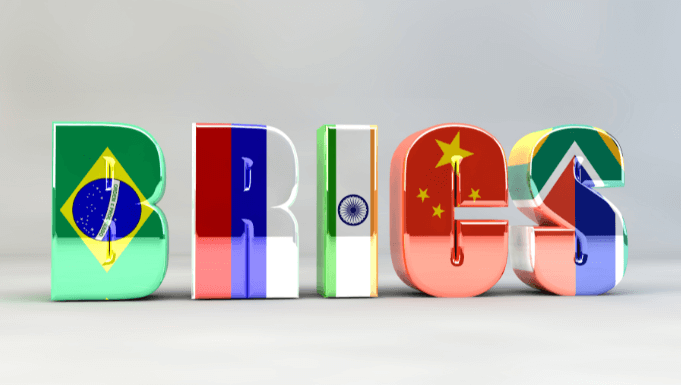
The term BRICS has become a major keyword in discussions about global economics and geopolitics. In simple terms, BRICS refers to a group of large emerging economies that aim to cooperate and influence the global order. As the world continues to shift, understanding BRICS helps explain how new economic powers are changing international trade, diplomacy, and development.
Before exploring its deeper meaning, it is important to understand how BRICS began and why it matters today.

What Is BRICS?
BRICS is an international group made up of major emerging economies. The name comes from the first letters of its founding members: Brazil, Russia, India, China, and South Africa. These countries work together to strengthen economic ties, support development, and promote a more balanced global power structure.
The bloc promotes cooperation in areas like finance, trade, technology, and global governance. Its goal is to give developing countries a stronger voice in international decisions.
How BRICS Started
Before discussing its current structure, it is helpful to trace how BRICS developed from a concept to a formal group.
Origin of the BRICS Concept
The term “BRIC” was introduced in 2001 by a Goldman Sachs economist who predicted that Brazil, Russia, India, and China would become major global economic powers. The idea quickly gained attention because these countries showed fast economic growth and large populations.
Formation of the Group
In 2006, the four nations began holding formal meetings together. Their cooperation grew, and in 2010, South Africa joined, turning BRIC into BRICS.
Since then, BRICS has held annual summits to discuss shared goals, global challenges, and opportunities for cooperation.
BRICS Member Countries
Before looking at what each member contributes, it is useful to see the full list of countries in the group.
Current Members of BRICS
- Brazil
- Russia
- India
- China
- South Africa
Some recent summits have discussed expanding membership, showing the growing influence of the group.
Why BRICS Matters in Global Economics
To understand BRICS more deeply, it is important to look at why these nations matter on the world stage.
Combined Economic Influence
Together, BRICS countries represent:
- A large share of global population
- Significant natural resources
- Fast-growing economies
- Increasing political influence
They also participate in major sectors such as manufacturing, technology, agriculture, and energy.
The Push for a Multipolar World
BRICS promotes a world where global power is shared more evenly. Instead of a system dominated by a few wealthy countries, BRICS supports a structure where developing nations have more influence.
Key Goals of BRICS
Before explaining the challenges, here are the main goals that unite the BRICS members.
Economic Cooperation
The group aims to increase trade among members, reduce barriers, and create new economic opportunities.
Financial Independence
One major goal is reducing reliance on Western financial systems. This is why BRICS created the New Development Bank (NDB), which supports infrastructure and development projects without the strict conditions often found in traditional global institutions.
Political Collaboration
BRICS members support each other in global organizations like the United Nations, pushing for fairer representation.
Innovation and Technology
The group often discusses cooperation in technology, education, and research to support long-term economic growth.
Major Institutions Created by BRICS
Understanding BRICS also requires a look at the institutions it has built.
New Development Bank (NDB)
The NDB provides loans for infrastructure, clean energy, and development projects in member countries. It is seen as an alternative to institutions like the World Bank.
Contingent Reserve Arrangement (CRA)
This is a financial safety system designed to help members during currency or financial crises.
Both institutions reflect BRICS’ goal of building stronger economic stability among developing nations.
Economic Strengths of the BRICS Countries
Before examining criticisms, it helps to note the strengths that give BRICS significant global impact.
Large Consumer Markets
BRICS nations have some of the world’s largest populations, creating huge demand for goods and services.
Rich Natural Resources
Russia and Brazil hold major energy and agricultural resources, while South Africa has extensive mineral wealth.
Growing Technology and Manufacturing Power
India and China play leading roles in technology, services, and manufacturing.
These strengths allow BRICS to influence global supply chains and economic trends.
Challenges Facing BRICS
Understanding the challenges provides a clearer picture of the group’s long-term future.
Different Political Systems
The members have very different political structures, making it hard to align decisions.
Economic Inequalities
China’s economy is significantly larger than the others, creating imbalances in influence.
Geopolitical Tensions
Some members face international pressure or internal conflicts that complicate cooperation.
Despite these challenges, the group continues to push for growth and deeper partnerships.
The Future of BRICS
Before concluding, it is helpful to explore where BRICS may be headed.
Expansion and New Members
There is increasing interest from other developing countries to join BRICS. Expansion could increase the group’s global influence.
Possible Currency Cooperation
Some discussions have explored reducing reliance on the US dollar in trade. While complex, this shows BRICS’ ambition to reshape global finance.
Focus on Sustainable Development
Future plans include cooperation on climate change, renewable energy, and digital technology.
BRICS – Frequently Asked Questions (FAQs)
1. What is BRICS?
BRICS is an international economic and political group made up of Brazil, Russia, India, China, and South Africa. The group focuses on cooperation in areas such as trade, development, finance, and global policy.
2. Why was BRICS formed?
BRICS was created to give major emerging economies a stronger voice in global affairs. The group aims to promote economic growth, support development, and offer alternatives to Western-led institutions like the IMF and World Bank.
3. Which countries are expected to join BRICS in the future?
BRICS has gradually expanded its interest in adding more members. Several nations — such as Saudi Arabia, Egypt, Ethiopia, and the UAE — have been invited or have shown interest, depending on the most recent summit decisions.
4. How does BRICS affect global trade?
BRICS countries contribute significantly to global trade and economic output. Their cooperation can influence global prices, supply chains, and international agreements, especially in energy, manufacturing, and agriculture.
5. What is the BRICS New Development Bank?
The New Development Bank (NDB) is a financial institution created by BRICS to fund infrastructure and development projects. It serves as an alternative to traditional Western financial institutions.
6. Why is BRICS considered important today?
BRICS is important because it brings together fast-growing economies with large populations. Their decisions can shape global markets, strengthen regional ties, and shift economic power toward emerging nations.
Conclusion
BRICS has grown from an economic idea into a powerful international group. With strong economies, large populations, and shared goals, the members aim to create a more balanced global order. While challenges exist, the group continues to expand its influence through cooperation, financial innovation, and its vision for a multipolar world.
As countries shift toward new economic partnerships, BRICS will remain a key player shaping global trade, development, and diplomacy.
Trade on the Go. Anywhere, Anytime
If you’re ready to apply what you’ve learned, consider trading with a globally recognized forex and CFD broker like XM .
The platform offers competitive spreads, fast execution, and access to advanced trading tools, including real-time charts and flexible account types, making it suitable for both beginners and experienced traders. Open a trading account for free and start trading today and join millions of traders and investors on the global forex market.
Trading involves risk. Ensure you understand how the markets work before investing.