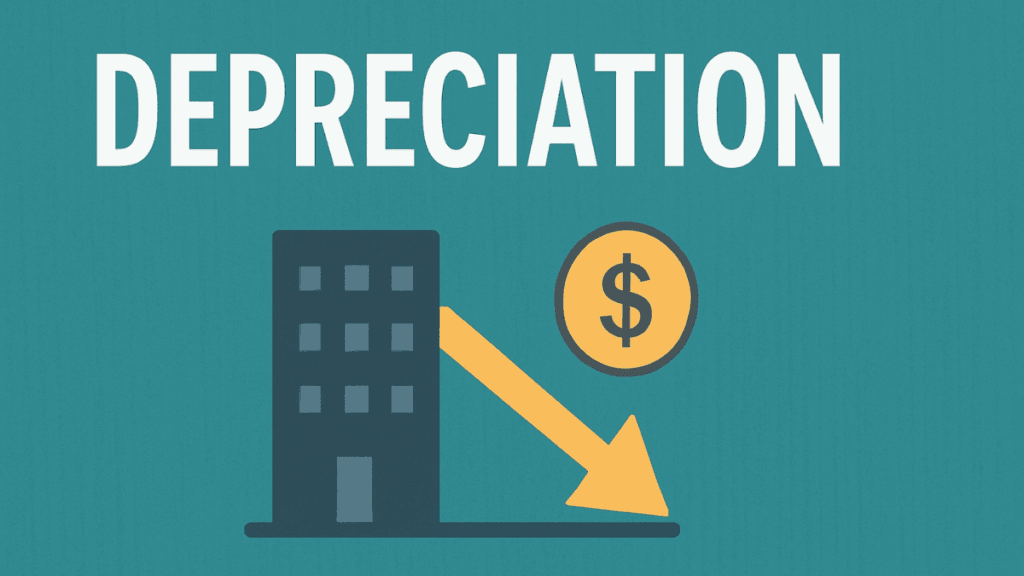
Depreciation is a core financial concept that explains how assets lose value over time. Whether you are a business owner, investor, student, or simply managing personal finances, understanding depreciation helps you make better decisions about costs, pricing, taxes, and long-term planning. In simple terms, depreciation spreads the cost of an asset across the years it is used, rather than recording the full expense at once.
What Is Depreciation?
Depreciation is the gradual reduction in the value of a tangible asset over its useful life. This reduction occurs because assets wear out, become outdated, or lose efficiency over time.
In accounting and financial reporting, depreciation allows businesses to match the cost of an asset with the revenue it generates. Instead of treating a large purchase as a one-time expense, the cost is allocated over several years in a structured and logical way.
Why Depreciation Matters
Understanding depreciation is essential because it affects financial statements, tax obligations, and decision-making. Without depreciation, profits would appear misleading, especially for asset-heavy businesses.
Depreciation matters because it:
- Shows the true cost of using assets over time
- Helps businesses plan for replacements and upgrades
- Reduces taxable income legally
- Improves accuracy in financial reporting
These benefits make depreciation a foundation of sound financial management.
How Depreciation Works
Before applying depreciation, certain elements must be identified. These elements determine how much value an asset loses each year and for how long.
Key Elements of Depreciation
Every depreciation calculation depends on a few basic components. Understanding these makes the concept easier to apply in real situations.
- Cost of the asset: The purchase price plus any setup or delivery costs
- Useful life: The estimated period the asset will be used productively
- Residual value: The expected value of the asset at the end of its useful life
Once these values are known, a depreciation method is applied to calculate yearly expense amounts.
Types of Depreciation Methods
Different methods of depreciation exist because assets are used in different ways. Choosing the right method depends on how the asset generates value over time.
Straight-Line Depreciation
Straight-line depreciation is the simplest and most commonly used method. It spreads the asset’s cost evenly across its useful life.
This method works well for assets like office furniture or buildings, where usage is consistent year after year. Its simplicity makes it easy to understand and apply, especially for small businesses.
Declining Balance Depreciation
Declining balance depreciation records higher expenses in the early years and lower expenses later. This reflects assets that lose value quickly at the beginning.
This method is commonly used for technology, vehicles, and machinery that become outdated quickly. It better matches the actual economic value lost in early years.
Units of Production Depreciation
Units of production depreciation are based on usage rather than time. The more an asset is used, the more value it loses.
This method is ideal for manufacturing equipment or machines where wear depends on output. It provides a realistic link between usage and expense.
Depreciation vs Amortization
Depreciation is often confused with amortization, but they apply to different types of assets. Understanding the difference avoids accounting mistakes.
Depreciation applies to tangible assets such as buildings, vehicles, and equipment. Amortization applies to intangible assets like patents, trademarks, and copyrights.
Both concepts spread costs over time, but the nature of the asset determines which term is used.
Examples of Depreciation in Real Life
Depreciation is not limited to accounting books. It affects everyday financial decisions, even outside formal business environments.
A car is a common example. Once driven off the dealership lot, its value drops immediately and continues to decline each year. Businesses track this decline to understand true ownership costs.
Another example is machinery in a factory. As machines operate daily, wear and tear reduce efficiency and market value. Depreciation captures this loss accurately.
Depreciation in Business Accounting
In business accounting, depreciation appears as an expense on the income statement. This reduces reported profit while reflecting realistic asset usage.
On the balance sheet, depreciation reduces the book value of assets through accumulated depreciation. This ensures financial statements remain transparent and reliable for investors and lenders.
Tax Implications of Depreciation
Depreciation also plays a critical role in taxation. Many tax systems allow businesses to deduct depreciation expenses, reducing taxable income.
This does not mean depreciation creates a cash outflow each year. Instead, it provides a tax advantage by recognizing asset costs gradually, improving cash flow management.
Advantages and Limitations of Depreciation
While depreciation is useful, it is not without limitations. Understanding both sides ensures balanced financial decisions.
Advantages of Depreciation
Depreciation improves financial clarity and supports long-term planning. It allows businesses to prepare for asset replacement without sudden financial strain.
It also ensures profits are not overstated, making financial reports more trustworthy.
Limitations of Depreciation
Depreciation relies on estimates, such as useful life and residual value. These estimates may not always match real market conditions.
In addition, depreciation does not reflect sudden market changes, such as technological disruption or economic downturns.
How to Choose the Right Depreciation Method
Selecting the right depreciation method depends on asset usage, industry standards, and financial goals. A method should reflect how an asset actually contributes to income.
Businesses often consult accounting professionals to ensure compliance with regulations and accuracy in reporting. This approach strengthens credibility and long-term stability.
Final Thoughts
Depreciation is more than an accounting requirement. It is a practical tool that helps individuals and businesses understand the real cost of assets over time.
By mastering depreciation, you gain better control over financial planning, taxation, and investment decisions. Whether managing a small business or analyzing financial statements, depreciation remains a key concept that supports informed and responsible financial management.
 Join Our Telegram Channel