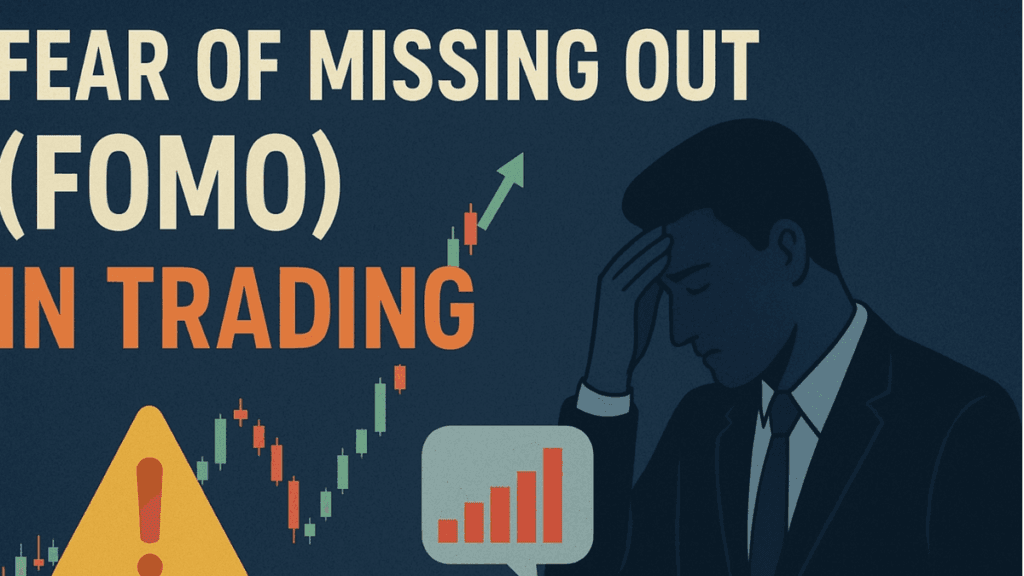
Fear of Missing Out (FOMO) is one of the most destructive emotions in financial markets. It appears when traders feel pressure to jump into a trade because others are profiting. The fear often leads to rushed decisions, unnecessary risks, and avoidable losses. Understanding FOMO is essential for anyone who wants to trade confidently and profitably.
Why FOMO Happens in Financial Markets
Before controlling FOMO, investors must understand why it occurs so often in forex, stocks, crypto, and commodities. Markets move fast, and traders fear being left behind when they see others making gains.
Market Noise and Price Volatility
Financial markets are filled with sudden movements. When a price breaks out, traders feel immediate pressure to join the move. They worry the opportunity won’t come again, which creates emotional stress. This environment makes it easy to react impulsively instead of following a plan.
Influence of Social Media and Trading Communities
Platforms like Telegram, X (Twitter), TikTok, and YouTube amplify trading FOMO. Traders see screenshots of profits, signals claiming huge returns, or influencers celebrating market rallies. Even though these posts do not show the whole story, they create a powerful illusion that “everyone is making money except you.”
Psychology of Loss Aversion
The fear of losing potential profit is stronger than the fear of losing actual money. This emotional bias pushes traders to enter trades late, over-leverage, or hold losing positions longer than they should.
How FOMO Damages Your Trading Results
FOMO may feel harmless, but it often leads to poor decisions that affect long-term profitability. Many traders lose more money from emotional trading than from bad market conditions.
Entering Trades Without Confirmation
When traders chase the market, they enter positions at the worst possible time, often at the peak of a move. Without proper analysis or confirmation, these rushed trades frequently reverse quickly, resulting in losses.
Overtrading and Excessive Risk
FOMO pushes traders to trade too often. Instead of waiting for high-quality setups, they open many positions, hoping to catch every opportunity. This weakens discipline and increases exposure to unnecessary risk.
Ignoring Trading Plans
A strong trading plan gives structure and guidance. However, FOMO leads traders to abandon their strategies, as they fear missing fast-moving opportunities. This leads to inconsistency and unpredictable results.
Emotional Stress and Decision Fatigue
Constant pressure to catch every move creates mental exhaustion. When traders are stressed, their ability to think clearly declines. This increases the chances of emotional mistakes and reduces confidence.
Signs You Are Experiencing Trading FOMO
Recognizing FOMO early can save you from major mistakes. These signs are common among forex, crypto, and stock traders.
- You feel anxious when you see rapid price movement.
- You open trades late, only after seeing a strong breakout.
- You copy trades from others without analysis.
- You check charts too frequently or obsess over missed opportunities.
- You suddenly increase your lot or position size.
- You hold losing trades, hoping the market will return.
If these behaviors feel familiar, you are not alone. Nearly every trader experiences FOMO at some point.
Why FOMO Is So Common in Forex and Crypto
Some markets naturally increase the feeling of missing out.
Fast Price Movements
Forex and crypto are known for rapid price changes. These markets move 24/5 (or 24/7 for crypto), creating constant opportunities and pressure.
High Leverage
Leverage increases both profit potential and emotional temptation. When traders believe they are missing a “big move,” leverage encourages them to jump in without thinking.
Herd Mentality
Many traders follow the crowd because it feels safer. When everyone is buying or selling, it feels wrong to stay out. But following the crowd late often results in losses, especially during market reversals.
Effective Ways to Control FOMO in Trading
Once you understand the source of FOMO, you can start building habits that protect your capital and improve your discipline.
1. Build a Solid Trading Plan
A trading plan removes guesswork. It outlines when to enter, when to exit, and how much to risk. When you have a clear plan, emotional pressure becomes weaker.
2. Use Risk Management Strictly
Limit how much you risk per trade. Consistent rules, such as risking only 1–2% per trade, help you stay calm during volatile market movements. When you know your risk is controlled, you trade with confidence.
3. Wait for Confirmations
Instead of chasing price, wait for setups that match your strategy. Confirmation ensures the market aligns with your analysis, not your emotions.
4. Reduce Social Media Influence
Take breaks from trading groups or profit screenshots. Most traders only show their wins, not their losses. Reducing exposure helps you think clearly and avoid unnecessary pressure.
5. Focus on Your Own Journal
Your trading journal is more valuable than any signal or influencer. Record your trades, emotions, and mistakes. Reviewing your own data prevents you from comparing yourself to others.
6. Learn to Accept Missed Trades
Missing a move does not mean you missed your chance to succeed. Markets provide endless opportunities. When you accept this truth, FOMO loses its power.
7. Practice Patience and Discipline
Trading is not about catching every move; it is about catching the right moves. Slow, steady discipline beats emotional trading every time.
How FOMO Causes Losses
Practical Example:
Imagine a forex pair breaking out quickly on high volume. Traders rush in, thinking the move will continue forever. But soon after, the market retraces and stops them out.
The traders who followed their plan and waited for a retest often secured a better entry with less risk. This example shows how waiting beats chasing.
When FOMO Becomes Dangerous
FOMO becomes harmful when it causes repeated losses, emotional burnout, or financial stress. If you feel overwhelmed, consider taking breaks or reducing your trading size. Some traders also benefit from mentorship or coaching to rebuild confidence.
Final Thoughts
Fear of Missing Out is one of the most substantial psychological challenges in trading. It affects beginners and experienced traders alike. But when you understand its causes and create strong habits, you can trade with control, clarity, and discipline. The goal is not to catch every opportunity, it is to make smart, consistent decisions that grow your account over time.
By mastering your emotions, you strengthen your trading edge and build a more successful future in financial markets.
 Join Our Telegram Channel