Forex signals are one of the most discussed tools in the currency trading industry. Some traders rely on them daily to identify trade opportunities, while others avoid them entirely after bad experiences with low-quality providers. The reality sits somewhere in the middle.
Used correctly, forex signals can help traders save time, improve market awareness, and learn how professional traders approach the market. Used blindly, they can lead to poor decisions, overtrading, and unnecessary losses. That is why understanding how forex signals actually work matters more than simply joining a signal group.

You may already be familiar with several communities, but we recommend Eazysignals Telegram Channel, where daily trading signals and market commentary are shared (I’ve used their signals before, and they are decent).
This guide explains what forex signals are, how they work, the different types available, their advantages and disadvantages, and how to evaluate signal providers realistically.
What Are Forex Signals?
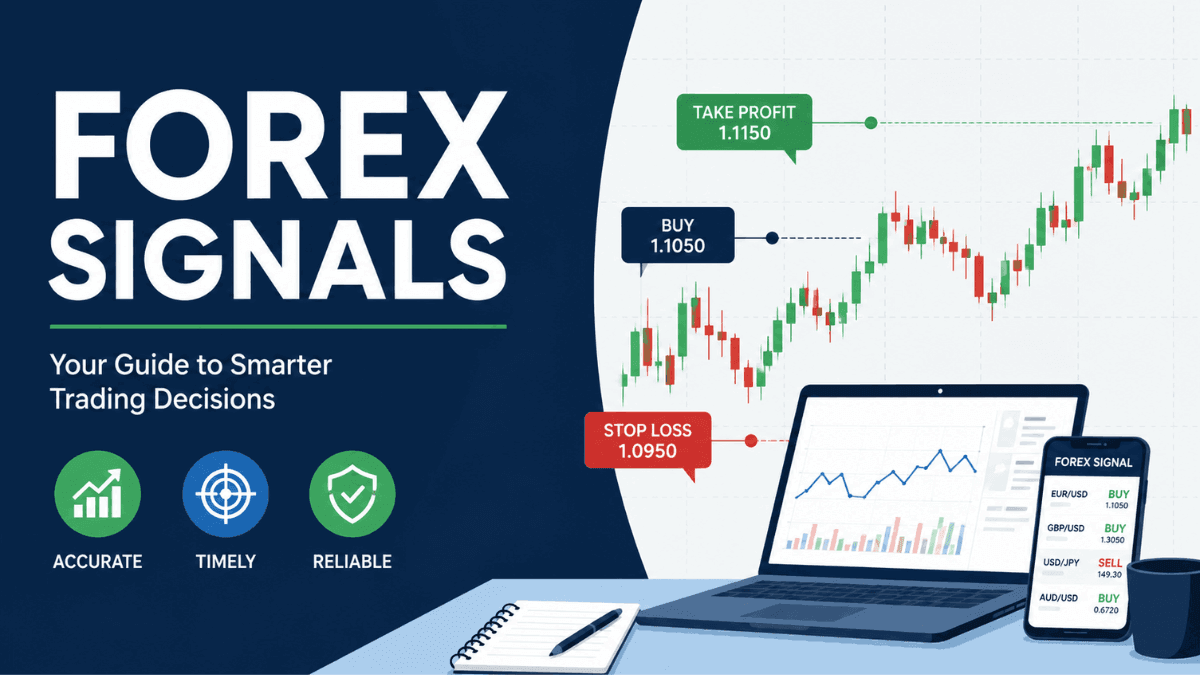
Forex signals are trade ideas or recommendations that suggest when to buy or sell a currency pair. A signal usually includes key information such as the entry price, stop loss, take profit targets, and trade direction.
For example, a signal might look like this:
- Buy EUR/USD at 1.1050
- Stop Loss: 1.1010
- Take Profit: 1.1120
The goal is simple: help traders identify potential trading opportunities without needing to perform all the analysis themselves.
Signals can be generated manually by experienced analysts or automatically using algorithms and trading systems. They are commonly shared through Telegram channels, websites, mobile apps, Discord groups, or email alerts.
How Forex Signals Work
At their core, forex signals are based on market analysis. A signal provider studies the market, identifies a potential setup, and sends the information to subscribers.
The trader receiving the signal can then decide whether to execute the trade manually or automatically through connected software.
Most forex signals contain:
- Currency pair
- Buy or sell direction
- Entry point
- Stop-loss level
- Take-profit target
- Risk management notes
- Market commentary in some cases
Some providers also explain why the trade setup exists. This educational aspect is important because it helps traders understand the reasoning behind trades instead of blindly copying positions.
Types of Forex Signals
Not all forex signals are created the same way. Understanding the different categories helps you choose a service that matches your trading style and experience level.
Manual Forex Signals
Manual signals are created by human analysts or professional traders. These traders study charts, economic news, market sentiment, and price action before sending a recommendation.
Manual signals tend to include more context and flexibility. Experienced analysts can adapt to changing market conditions better than rigid automated systems.
The downside is that human analysis can also be influenced by emotion or bias.
Automated Forex Signals
Automated signals are generated by algorithms, expert advisors, or trading bots. The software scans the market using predefined rules and sends alerts when conditions match the strategy.
These systems are fast and consistent. They can monitor multiple currency pairs simultaneously without fatigue.
However, automated systems may struggle during unusual market conditions such as major economic events or unexpected geopolitical news.
Free Forex Signals
Free forex signals are widely available online, especially on Telegram and social media platforms. They can be useful for beginners who want to observe how trading setups are structured.
The quality varies dramatically. Some free providers offer surprisingly solid analysis to attract future paid subscribers, while others post random trades without proper risk management.
A common mistake among beginners is assuming free signals carry no risk. The trade itself still involves real money.
Paid Forex Signals
Paid forex signal services usually offer more detailed analysis, stronger support, and better trade management.
Professional providers often include:
- Detailed market explanations
- Consistent trade updates
- Risk management guidance
- Educational content
- Trading journals or statistics
That said, paying for signals does not guarantee profitability. Many expensive services still perform poorly over time.
What Analysis Is Used to Generate Forex Signals?
Most forex trading signals are based on one or more forms of market analysis.
Technical Analysis
Technical analysis studies price charts, indicators, patterns, and market structure.
Signal providers using technical analysis often rely on tools such as:
- Support and resistance
- Trendlines
- Moving averages
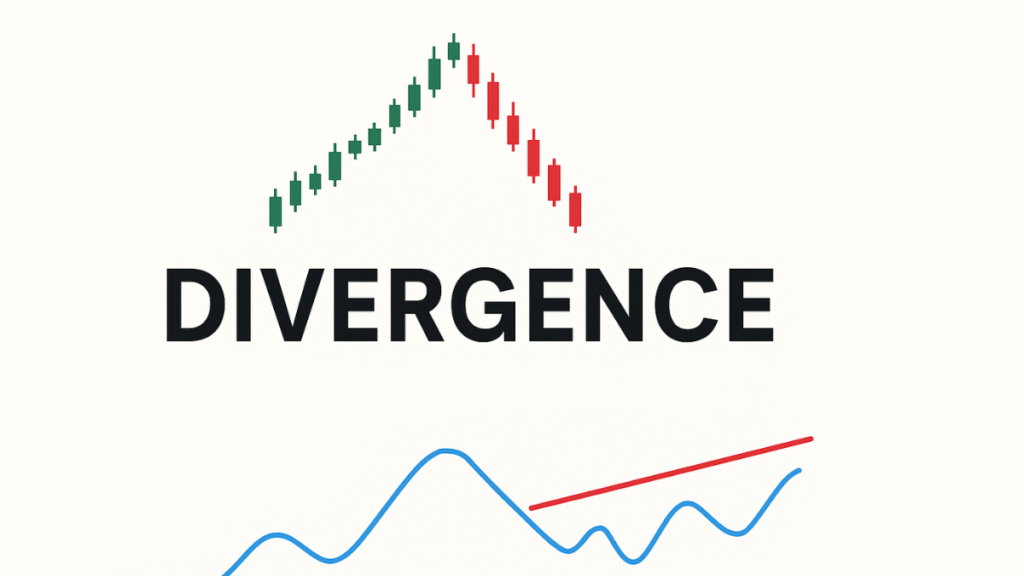
- RSI divergence
- Fibonacci retracements
- Candlestick patterns
For example, a signal provider may issue a buy signal after spotting bullish momentum near a major support level.
Fundamental Analysis
Fundamental analysis focuses on economic events and macroeconomic data.
Examples include:
- Interest rate decisions
- Inflation reports
- Employment data
- GDP growth
- Central bank statements
A provider may recommend buying the US dollar if strong employment data increases the likelihood of higher interest rates.
Sentiment Analysis
Sentiment analysis examines how traders are positioned in the market. It attempts to identify whether the crowd is excessively bullish or bearish.
Some professional signal providers combine technical, fundamental, and sentiment analysis for a broader market view.
Are Forex Signals Accurate?
This is one of the most important questions traders ask. The honest answer is that forex signals are never accurate all the time.
Even professional traders experience losing trades. The forex market is influenced by unpredictable factors such as economic surprises, political developments, and sudden shifts in market sentiment.
A good signal provider is not judged by whether every trade wins. Instead, long-term consistency matters more.
Strong providers usually focus on:
- Favorable risk-to-reward ratios
- Consistent strategy execution
- Controlled drawdowns
- Disciplined risk management
Be cautious of anyone claiming 95% or 100% win rates. These claims are usually unrealistic or misleading.
Benefits of Using Forex Signals
Forex signals can offer real advantages when used correctly. They are especially useful for traders who lack time or experience.
Time Saving
Analyzing the forex market properly takes time. Traders must study charts, monitor news, and manage positions.
Signals reduce this workload by providing ready-made trade setups.
This can help part-time traders stay active in the market without spending hours analyzing charts every day.
Educational Value
Good signal providers explain why a trade is being taken. Over time, this can help traders improve their own analytical skills.
Many traders actually learn market structure and risk management faster by reviewing high-quality signals consistently.
Market Exposure
Forex signals expose traders to setups they might not notice on their own.
A trader focusing only on EUR/USD may miss opportunities in GBP/JPY, AUD/USD, or gold. Signals widen market awareness.
Emotional Discipline
Some traders struggle with emotional decision-making. They enter trades impulsively or close positions too early.
Following a structured signal plan can reduce emotional trading behavior, although discipline is still required.

Risks of Forex Signals
Forex signals also come with serious risks. Many beginners underestimate these dangers.
Overdependence
One of the biggest problems is becoming completely dependent on signals without understanding the market.
This creates long-term weakness because the trader never develops independent decision-making skills.
Poor Risk Management
Some signal providers focus only on entries while ignoring proper position sizing and capital preservation.
A few losing trades can quickly damage an account if risk is not controlled.
Scam Providers
The forex industry, unfortunately, attracts dishonest marketers.
Red flags include:
- Guaranteed profits
- Luxury lifestyle marketing
- Fake screenshots
- No verified performance history
- Unrealistic win rates
- Pressure to deposit quickly
Always verify claims carefully before subscribing.
Delayed Execution
Forex prices move quickly. A signal sent at one price may already be invalid by the time some subscribers execute the trade.
This is especially common during high-volatility events.
How to Choose a Forex Signal Provider
Choosing the right provider requires patience and critical thinking. Blindly joining the most popular Telegram group is rarely a good idea.
Check Transparency
Reliable providers are transparent about:
- Past performance
- Losing trades
- Risk levels
- Trading style
- Expected drawdowns
Avoid services that only showcase winning trades.
Understand the Strategy
A trustworthy provider should explain their trading methodology clearly.
Ask yourself:
- Are they trend traders?
- Scalpers?
- Swing traders?
- News traders?
You should understand how the signals are generated before risking money.
Evaluate Risk Management
Risk management matters more than flashy profits.
Look for providers who:
- Use stop losses consistently
- Avoid excessive leverage
- Maintain reasonable drawdowns
- Prioritize capital preservation
Aggressive signals may produce short-term gains but often collapse eventually.
Test on a Demo Account
Before risking real money, test signals on a demo account first.
This helps you evaluate:
- Signal timing
- Accuracy
- Trade management
- Risk levels
- Consistency
A few weeks of testing can prevent expensive mistakes later.
Forex Signals vs Copy Trading
Many traders confuse forex signals with copy trading, but they are different services.
Forex signals require the trader to manually execute trades after receiving alerts.
Copy trading automatically mirrors another trader’s positions directly into your account.
Copy trading offers convenience, but it also removes direct control. If the copied trader makes poor decisions, your account follows automatically.
Signals provide more flexibility because you can choose which trades to take.
Forex Signals vs Trading Robots vs Pure Manual Trading
Every trader eventually faces the same question: Should you follow forex signals, use trading robots, or trade manually? Each approach has strengths and weaknesses, and the best choice depends on your experience level, available time, and trading personality.
Forex signals sit in the middle ground between full automation and fully independent trading. They provide guidance and trade ideas while still allowing the trader to make the final decision. Trading robots, also known as Expert Advisors (EAs), automate the entire process using predefined rules. Pure manual trading gives traders maximum control but also demands the most skill, discipline, and time.
The table below highlights the major differences between these three approaches.
| Feature | Forex Signals | Trading Robots (EAs) | Pure Manual Trading |
|---|---|---|---|
| Human Decision-Making | Partial | Minimal | Full |
| Automation Level | Low to Medium | High | None |
| Learning Opportunity | Moderate | Low | Very High |
| Emotional Influence | Moderate | Very Low | High |
| Time Required | Medium | Low | High |
| Flexibility in Market Conditions | High | Depends on the algorithm | Very High |
| Requires Trading Knowledge | Basic to Moderate | Basic setup knowledge | High |
| Speed of Execution | Medium | Very Fast | Depends on the trader |
| Best For | Busy traders wanting guidance | Traders seeking automation | Traders wanting full control |
| Risk of Overdependence | Moderate | High | Low |
| Adaptability During News Events | Good with experienced providers | Often weaker | Strong if experienced |
Forex signals are often a good starting point for traders who want market guidance while remaining involved in the decision-making process. They can help newer traders understand trade setups, risk management, and market timing without fully automating their accounts.
Trading robots appeal to traders who prefer automation and speed. An EA can monitor the market 24/7 and execute trades instantly without emotional hesitation. The challenge is that many robots perform well only under certain market conditions. A strategy that works in trending markets may fail badly during sideways or highly volatile periods.
Pure manual trading offers the highest level of flexibility and control. Experienced traders can adapt quickly to economic news, changing market sentiment, and unusual price behavior. At the same time, manual trading requires patience, discipline, and years of practice to master consistently.
For most beginners, combining education with some level of guided analysis usually works better than relying entirely on automation. Over time, many traders gradually shift toward more independent manual decision-making as their market understanding improves.
Can Beginners Use Forex Signals?
Yes, beginners can use forex signals, but they should approach them carefully.
Signals work best when treated as a learning tool rather than a shortcut to instant profits.
A beginner should still learn:
- Basic market structure
- Risk management
- Position sizing
- Trading psychology
- Economic news fundamentals
Without these skills, even high-quality signals can be misused.
For example, many beginners increase lot sizes aggressively after a few winning trades. When losses eventually occur, the account suffers significant damage.
Best Practices When Using Forex Signals
Successful traders usually combine signals with their own judgment rather than following blindly.
Here are some practical habits that improve results:
Use Proper Risk Management
Never risk too much on a single trade.
Many professional traders risk only 1% to 2% of their account per position.
This keeps losses manageable during difficult market periods.
Avoid Emotional Trading
Do not chase missed trades or revenge trade after losses.
A single losing trade does not automatically mean the provider is bad. Consistency over time matters more.
Keep a Trading Journal
Track every signal trade you take.
Record:
- Entry and exit
- Risk size
- Trade outcome
- Market conditions
- Personal observations
This helps identify patterns and weaknesses over time.
Learn Alongside the Signals
The best long-term approach is to study the reasoning behind each signal.
Eventually, you may begin spotting similar setups independently, which is a major step forward as a trader.
Are Free Telegram Forex Signals Worth It?
Telegram has become one of the most popular platforms for forex signals. Thousands of free groups exist, but quality varies enormously.
Some groups provide useful educational commentary and decent setups. Others simply spam trades without analysis or proper risk management.
Before trusting a Telegram signal provider, look for:
- Clear stop losses
- Realistic targets
- Consistent strategy logic
- Trade transparency
- Educational explanations
Be skeptical of groups showing only massive profits while hiding losses.
The Psychology Behind Forex Signals
An overlooked aspect of forex signals is psychology.
Many traders join signal groups because they lack confidence in their own analysis. Others hope that signals will remove the emotional stress of trading.
The reality is that emotions still exist even when using signals.
Fear, greed, impatience, and overconfidence remain major challenges. A trader can still:
- Close trades too early
- Ignore stop losses
- Increase risk emotionally
- Overtrade after wins
Signals are tools, not emotional solutions.
Do Professional Traders Use Forex Signals?
Some professional traders do use signals, especially institutional alerts and market research services.
However, professionals rarely rely on signals blindly. They typically combine external analysis with their own market understanding.
Institutional traders also have access to advanced market data, economic research, and proprietary tools that retail traders may not see.
This is why developing your own trading knowledge remains important even if you use signals regularly.
Final Thoughts
Forex signals can be valuable when used correctly and dangerous when misunderstood. They are neither magic shortcuts nor complete scams by default.
A quality signal service can save time, improve market awareness, and even help traders learn professional analysis techniques. At the same time, blindly following signals without understanding risk management often leads to disappointment.
The most successful traders usually treat forex signals as one tool within a broader trading plan. They verify setups, manage risk carefully, and continue improving their own skills instead of depending entirely on outside opinions.
If you decide to use forex signals, focus less on promises of quick profits and more on transparency, consistency, and education. Those factors matter far more in the long run than flashy screenshots or unrealistic win-rate claims.
Frequently Asked Questions About Forex Signals
Forex signals are trade recommendations that suggest when to buy or sell a currency pair. They usually include entry points, stop losses, and take-profit targets.
Forex signals can be profitable, but results depend on the provider, market conditions, and how well risk management is handled. No signal service wins every trade.
Some free forex signals are useful, while others are of poor quality. Traders should evaluate transparency, consistency, and risk management before following any provider.
Yes, beginners can use forex signals, especially as a learning tool. However, they should still study trading fundamentals and avoid relying entirely on signals.
Forex signals require manual trade execution, while copy trading automatically mirrors another trader’s positions in your account.
Avoid providers promising guaranteed profits, unrealistic win rates, or luxury lifestyle marketing. Look for verified performance history and transparent risk management instead.
Trade on the Go. Anywhere, Anytime
If you’re ready to apply what you’ve learned, consider trading with a globally recognized forex and CFD broker like XM .
The platform offers competitive spreads, fast execution, and access to advanced trading tools, including real-time charts and flexible account types, making it suitable for both beginners and experienced traders. Open a trading account for free and start trading today and join millions of traders and investors on the global forex market.
Trading involves risk. Ensure you understand how the markets work before investing.

Vincent Nyagaka is the founder of Chweya, where he breaks down complex financial topics into simple insights. A trader since 2015, he uses his market experience to help readers better understand investing, trading, and personal finance.