Finding the best Forex trading blogs can save you years of trial and error. A high-quality trading blog does more than publish market updates — it teaches strategy, risk management, trading psychology, and how the global financial markets actually work.
Some blogs focus heavily on beginner education, while others specialize in technical analysis, economic news, trading signals, or algorithmic trading. The best ones combine practical experience with consistent, trustworthy content that traders can apply in real market conditions.

In this guide, you’ll discover some of the most respected and useful Forex trading blogs available today. Whether you’re just opening your first trading account or refining advanced strategies, these websites offer valuable insights worth following.
Why Forex Trading Blogs Still Matter
A strong Forex blog can become part of your daily trading routine. Markets move fast, and good blogs help traders stay informed while improving decision-making over time.
The best blogs usually provide:
- Market analysis and trade ideas
- Educational tutorials and trading guides
- Risk management techniques
- Economic news interpretation
- Trading psychology insights
- Broker and platform reviews
- Technical analysis examples
A beginner may use blogs to understand candlestick patterns or leverage, while experienced traders often rely on them for macroeconomic analysis, trading sentiment, and strategy refinement.
What Makes a Forex Blog Worth Following?
Not every trading website deserves your attention. Some recycle generic content without offering real expertise or practical value.
A reliable Forex trading blog usually has several key qualities.
Consistent Educational Content
The best websites regularly publish useful, easy-to-understand articles that help traders improve over time. Quality matters more than quantity.
Real Trading Experience
You can often tell when content is written by people with actual market experience. Good blogs discuss risk, losses, market uncertainty, and strategy limitations instead of promising unrealistic profits.
Updated Market Analysis
Forex markets react constantly to economic events, interest rates, inflation reports, and geopolitical developments. Blogs that provide timely analysis can help traders understand why markets move.
Beginner-Friendly Explanations
Trading terminology can become overwhelming quickly. The best blogs explain concepts clearly without oversimplifying important details.
1. BabyPips
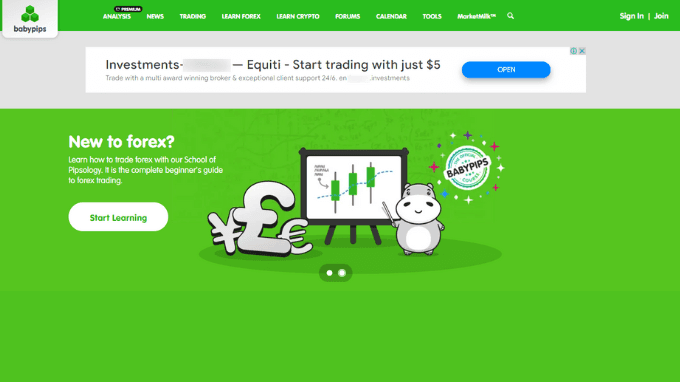
When traders search for beginner-friendly Forex education, BabyPips is usually one of the first names mentioned. The site became popular because of its structured “School of Pipsology,” which breaks complex trading concepts into simple lessons.
The platform covers everything from basic currency pairs and market sessions to advanced technical analysis and risk management. The writing style feels approachable without sounding overly simplistic.
Many traders start their learning journey here before moving into more advanced analysis and live trading strategies.
2. Eazypips
Eazypips has become increasingly popular among traders looking for simplified Forex education, broker reviews, trading strategies, and practical market insights. The website focuses heavily on making trading concepts easier to understand for everyday traders.
One thing that stands out is the balance between educational content and real-world trading topics. Instead of relying on overly technical explanations, the articles often focus on practical usability.
The site also covers trading psychology, risk management, platform tutorials, and broker comparisons, which makes it useful for both beginners and intermediate traders.
3. DailyFX
DailyFX is well-known for professional market analysis and economic coverage. The platform is particularly useful for traders who follow macroeconomic events such as inflation reports, central bank decisions, and employment data.
Its analysts frequently publish technical setups, sentiment reports, and educational webinars. Traders who prefer combining fundamentals with chart analysis often find DailyFX valuable.
The website also includes economic calendars and trading guides that help users understand how major financial events affect currency prices.
4. Forex Factory
Forex Factory is more than just a blog. It operates as a large trading community where traders discuss strategies, economic events, and market conditions in real time.
Its economic calendar is widely respected among Forex traders because of its speed and reliability. Many day traders monitor the platform closely during major economic releases.
The forum section also allows traders to learn from real discussions rather than polished marketing content.
5. Investopedia
Investopedia covers a broad range of financial topics, but its Forex trading section remains one of the best educational resources online.
The platform explains technical indicators, chart patterns, leverage, margin, and trading psychology in beginner-friendly language. It is particularly useful for traders who want to understand financial concepts before risking capital.
Its glossary also helps traders quickly understand unfamiliar terminology.
6. Eazysignals
Eazysignals combines trading education with market analysis, Forex signal discussions, broker insights, and practical trading tutorials. The platform focuses heavily on helping traders understand how market setups work rather than simply presenting trade entries.
A major strength of the site is its emphasis on real trading concepts such as market structure, support and resistance, liquidity zones, trading sessions, and risk management. These are essential skills for traders who want long-term consistency.
The website also regularly publishes broker comparisons, trading platform guides, and educational articles that appeal to both new and experienced Forex traders.
7. TradingView
TradingView is famous for charting tools, but its blog and community analysis section are equally valuable. Traders from around the world publish live chart ideas, technical breakdowns, and strategy discussions daily.
The platform is especially useful for visual learners who prefer studying real charts instead of reading long theoretical explanations.
Because the community is large, traders gain exposure to different strategies, trading styles, and market perspectives.
8. FXStreet
FXStreet focuses heavily on live market coverage, breaking Forex news, and technical analysis. The platform updates frequently throughout the trading day.
Short-term traders often use FXStreet to monitor economic releases and currency volatility. The website also hosts webinars and educational sessions covering both beginner and advanced topics.
Its real-time market commentary can be especially useful during periods of high market volatility.
9. EarnForex
EarnForex is known for practical trading tools, educational guides, and platform tutorials. The website provides downloadable indicators, Expert Advisors (EAs), and risk calculators.
The content often focuses on practical execution rather than theory alone. Traders looking to improve technical trading setups may find the platform particularly useful.
It also explains many MetaTrader-related concepts clearly for beginners.
10. The Balance
The Balance publishes educational content that helps new traders understand Forex basics, trading terminology, and market mechanics.
Its articles are generally easy to follow and avoid overly technical explanations. That makes it a strong starting point for complete beginners.
The site also covers broader financial literacy topics that indirectly help traders develop stronger money management habits.
11. Myfxbook
Myfxbook is widely recognized for performance tracking and trading analytics. Beyond analytics, the platform also offers educational articles, market analysis, and community discussions.
One major advantage is transparency. Traders can analyze real, verified trading statistics and study performance metrics in detail.
This creates a more realistic learning environment compared to websites that only showcase winning trades.
12. Learn To Trade The Market
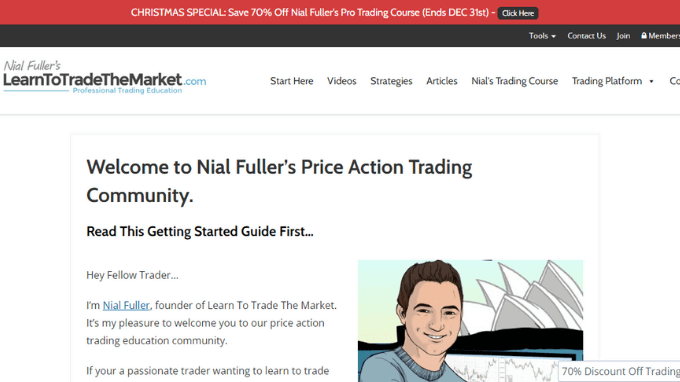
This website focuses heavily on price action trading strategies. Traders interested in candlestick formations, support and resistance, and chart reading often find its content useful.
The articles explain trading psychology and discipline alongside technical strategies, which is important because emotional control is a major factor in trading success.
Its educational style particularly appeals to swing and position traders.
13. Investing.com
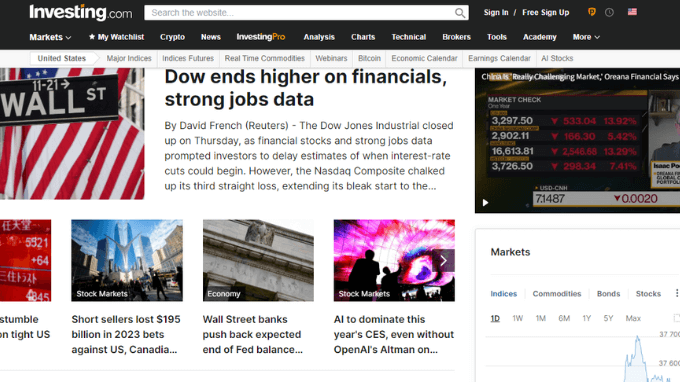
Investing.com is one of the largest financial websites in the world and a valuable resource for Forex traders. The platform offers real-time market quotes, economic calendars, technical analysis, news updates, and currency forecasts.

Many traders use Investing.com daily to track major economic events that can impact currency pairs. Its combination of market data and educational content makes it useful for both beginners and experienced traders.
14. TradingwithRayner
TradingwithRayner is a popular trading education blog founded by professional trader Rayner Teo. The website focuses heavily on price action trading, trend-following strategies, risk management, and trading psychology.
One of its strengths is the ability to explain complex trading concepts in simple language. Traders looking to build a structured trading approach often find the educational content practical and actionable.
15. Action Forex
Action Forex has been providing Forex news and market analysis for many years. The website covers currency forecasts, technical outlooks, economic news, and central bank developments.
Its market commentary is particularly useful for traders who want regular updates on major currency pairs. The platform also offers educational articles to help traders better understand market dynamics.
16. Forex Crunch
Forex Crunch is well known for its detailed economic event coverage and Forex market analysis. The site regularly publishes forecasts, trading insights, and explanations of major economic announcements.
Traders often use Forex Crunch to prepare for high-impact news releases such as interest rate decisions, inflation reports, and employment data. The content balances technical and fundamental analysis effectively.
How to Use Forex Blogs Effectively
Reading trading blogs alone will not make someone profitable. The real value comes from applying what you learn consistently.
A smarter approach involves combining education with practice.
Focus on One Strategy at a Time
Many beginners jump between strategies too quickly. Instead, study one concept deeply before moving to another.
For example, you could spend several weeks learning:
- Support and resistance
- Trend trading
- Risk management
- Candlestick patterns
- Trading psychology
Mastery usually beats information overload.
Verify Information Across Multiple Sources
Different analysts often interpret markets differently. Reading multiple blogs helps you develop independent thinking rather than blindly following opinions.
This becomes especially important during volatile market conditions.
Keep a Trading Journal
As you learn from blogs, document your observations and trading decisions. A journal helps traders identify mistakes and improve consistency over time.
Common Mistakes Traders Make When Following Forex Blogs
Forex blogs can be powerful learning tools, but traders sometimes misuse them.
One common mistake is treating every analysis article as a guaranteed trade signal. Market analysis represents probabilities, not certainty.
Another issue is consuming too much information without practicing. Reading endlessly without testing strategies on charts rarely produces improvement.
Some traders also become dependent on predictions instead of building their own analytical skills. Strong traders eventually learn how to interpret the market independently.
Are Paid Forex Blogs Better Than Free Ones?
Not necessarily. Some free Forex trading blogs provide outstanding educational value, while some paid platforms offer little beyond marketing hype.
The real question is whether the content provides practical, actionable insights supported by experience and transparency.
Free educational platforms can often provide enough knowledge for traders to build a solid foundation before considering premium mentorships or advanced training programs.
Final Thoughts
The best Forex trading blogs do more than publish market commentary. They teach traders how to think, manage risk, analyze price action, and navigate uncertain market conditions with discipline.
Websites like BabyPips, Eazypips, DailyFX, and Eazysignals each serve different purposes depending on your experience level and trading style.
The most successful traders usually combine several resources rather than relying on a single source. Over time, you’ll naturally discover which blogs match your preferred trading approach, whether that involves scalping, swing trading, price action, or macroeconomic analysis.
Consistency matters far more than constantly searching for the “perfect” strategy. Learn steadily, practice patiently, and focus on building skills that can survive changing market conditions.
Frequently Asked Questions
What are the best Forex trading blogs for beginners?
Some of the best Forex trading blogs for beginners include BabyPips, Eazypips, and Investopedia. These platforms explain trading concepts in simple language while covering essential topics like risk management, technical analysis, and trading psychology. Beginners can learn step-by-step without feeling overwhelmed by advanced terminology.
Can Forex trading blogs help improve trading skills?
Yes, high-quality Forex blogs can significantly improve your trading skills when combined with practice and proper risk management. They help traders understand market behavior, economic news, technical indicators, and trading strategies. Over time, consistent learning can help traders make more informed decisions instead of relying on guesswork.
Are free Forex trading blogs reliable?
Many free Forex trading blogs provide excellent educational value and reliable market insights. Websites like DailyFX and FXStreet are widely respected in the trading industry. The key is to focus on blogs that provide balanced education rather than unrealistic profit promises.
How often should traders read Forex blogs?
Most active traders check Forex blogs daily or several times a week to stay updated on market developments. Economic events, interest rate decisions, and geopolitical news can affect currency prices quickly. Even reading a few quality articles consistently can help traders build stronger market awareness over time.
Which Forex blogs are best for technical analysis?
Platforms like TradingView, Forex Factory, and Learn To Trade The Market are excellent for technical analysis. They provide chart breakdowns, price action discussions, and real-time trading ideas. Traders can also compare different analytical perspectives from experienced market participants.
Should traders rely entirely on Forex blogs for trading decisions?
Forex blogs should support your trading decisions, not replace your own analysis. Markets are unpredictable, and no blog or analyst can guarantee accurate predictions every time. The most successful traders use blogs as learning resources while developing their own trading plans, discipline, and risk management strategies.
Trade on the Go. Anywhere, Anytime
If you’re ready to apply what you’ve learned, consider trading with a globally recognized forex and CFD broker like XM .
The platform offers competitive spreads, fast execution, and access to advanced trading tools, including real-time charts and flexible account types, making it suitable for both beginners and experienced traders. Open a trading account for free and start trading today and join millions of traders and investors on the global forex market.
Trading involves risk. Ensure you understand how the markets work before investing.

Vincent Nyagaka is the founder of Chweya, where he breaks down complex financial topics into simple insights. A trader since 2015, he uses his market experience to help readers better understand investing, trading, and personal finance.